My research

My research investigates mental health and its causes, particularly among young people. More specifically, my theoretical background is based on the network theory of mental disorders, which postulates that behaviours, cognitions and emotions can become causally reinforcing, leading to stable states that constitute psychopathology. I'm always happy to supervise motivated postgraduate students and welcome collaborations with researchers with similar interests.

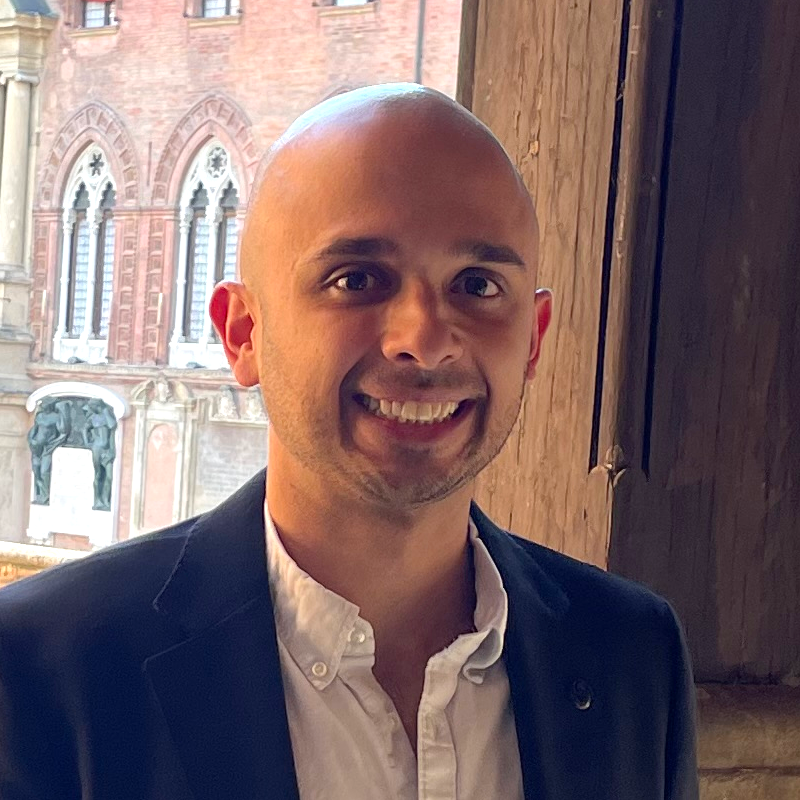
Portrait of Pedro Henrique Ribeiro Santiago
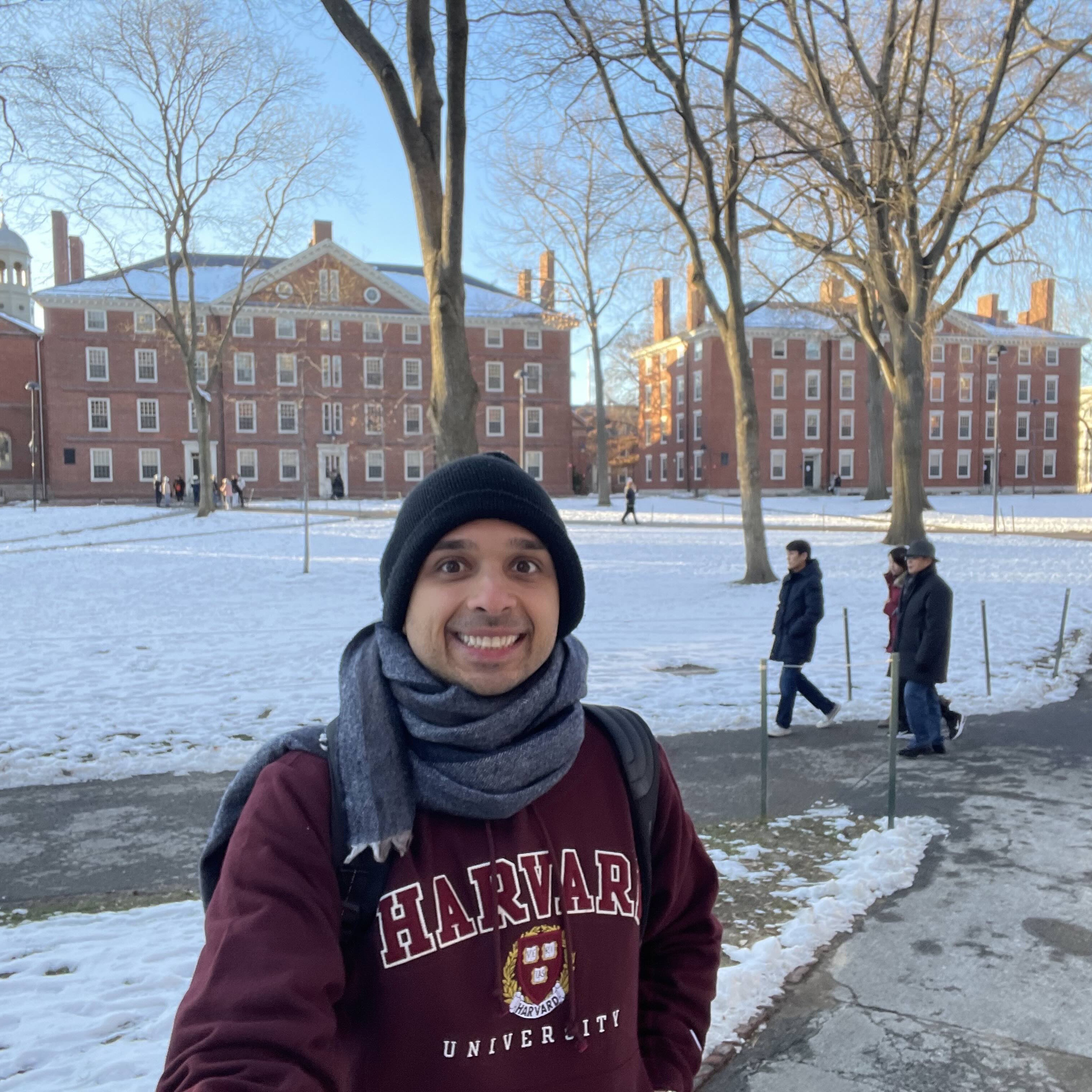
Pedro Henrique Ribeiro Santiago at Harvard University

Professional Bio

After completing my Bachelor's degree in Psychology and Master's degree in Public Health at the Universidade Federal de Santa Catarina, Brazil, I moved to Australia in 2017 and completed my PhD on culturally-sensitive psychological assessment at The University of Adelaide, under the supervision of Prof. Jamieson. I have since held a position as a Postdoctoral Research Fellow. Over the years, my research has been recognized with multiple visiting positions, grants and awards, including a Visiting Postdoctoral Research Fellow position at Harvard University in 2025, the CAPES Visiting Professor in Brazil scholarship in 2024, the Global Talent Visa in Data Science in 2021, the University Doctoral Research Medal in 2020, and as a Visiting Scholar at the University of Copenhagen in 2018. I have also conducted multiple grant-funded research projects as principal investigator, such as the FHMS Emerging Leaders Development Award for the project "Can the Strengths and Difficulties Questionnaire be used to inform child well-being over time? Insights from network longitudinal models". I'm an R programmer and contributor to two R packages, CliquePercolation and iarm - Item Analysis in Rasch Models.

Research interests

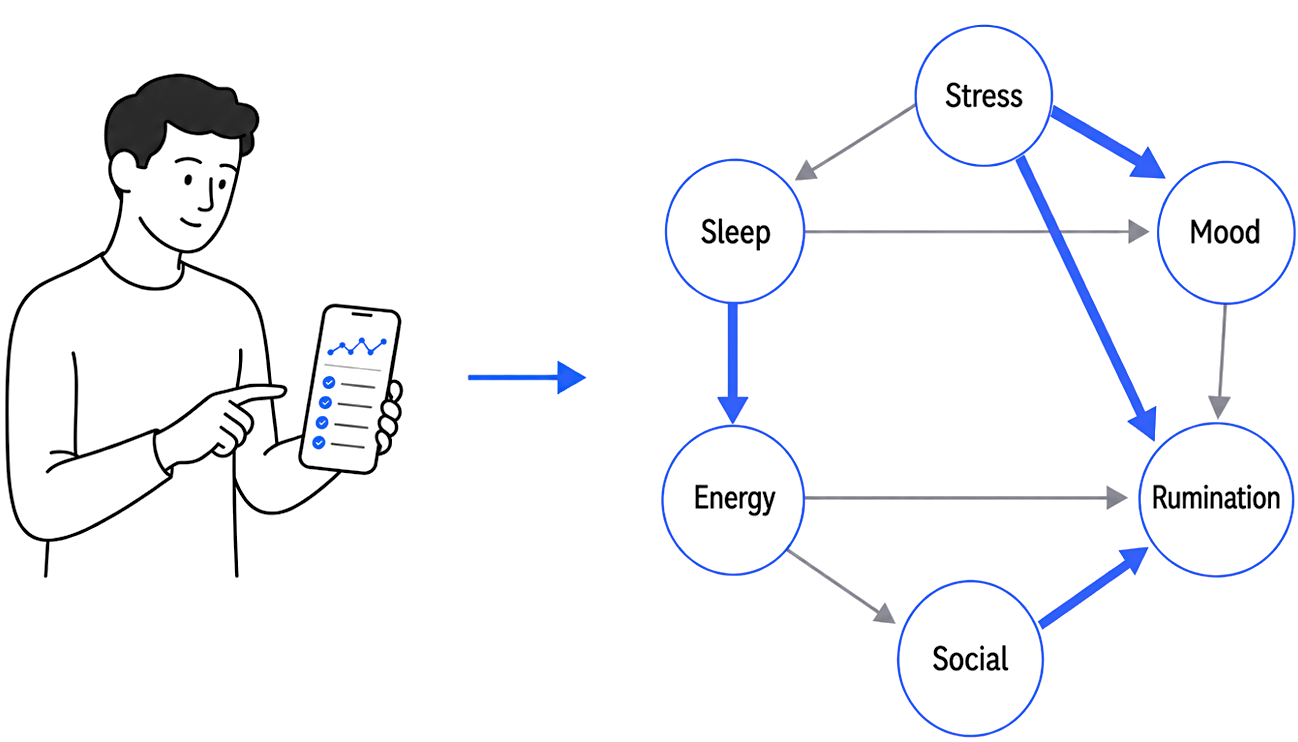
My research interests centre on the application of causal methods to identify psychological networks at the person level:

  • Causal discovery methods for time series studies.
  • Causal inference for N-of-1 studies.
  • Markov Blanket structure learning for causality-based predictor selection.
  • Early warning signals of psychopathology.
  • Overlapping community detection algorithms for psychological networks.
  • Longitudinal causal inference for panel studies.
Diagram of a person-specific network model using repeated daily assessments

Selected Publications

  1. Santiago, P.H.R., Soares, G.H., Quintero, A., & Jamieson, L. (2024). Comparing the Clique Percolation algorithm to other overlapping community detection algorithms in psychological networks: A Monte Carlo simulation study. Behavior Research Methods, 56, 7219-7240.
  2. Santiago, P.H.R., Smithers, L.G., Townsend, M., Quintero, A., Sawyer, A., Soares, G., McCormick, K., Procter, A., & Jamieson, L. (2025). The longitudinal network of peer problems and emotional symptoms among Australian adolescents: Bayesian structure learning of directed acyclic graphs. Developmental Psychology, 61(8), 1479-1494.
  3. Santiago, P.H.R., Soares, G., McCormick, K., Gregory, T., Sawyer, A., Smithers, L., & Jamieson, L. (2026). The longitudinal network of social and emotional development in middle childhood. Journal of Applied Developmental Psychology, 103, 101925.
  4. Santiago, P.H.R., Sawyer, A., Sawyer, M., Lawrence, D., Rossoni, L., Fox, E., & Jamieson, L. (2026). Can the Strengths and Difficulties Questionnaire predict depression among Australian adolescents? A Markov Blanket structure learning approach. Measurement: Interdisciplinary Research and Perspectives.
  5. Santiago, P.H.R., Manzini, D., Haag, D., Roberts, R., Smithers, L.G., & Jamieson, L. (2022). Exploratory graph analysis of the Strengths and Difficulties Questionnaire in the Longitudinal Study of Australian Children. Assessment, 29(8), 1622-1640.

Education & Appointments

2020 - 2026

Postdoctoral Research Fellow

Adelaide University

The postdoctoral appointment focuses on the development, adaptation and validation of measures and the investigation of causes of child well-being, particularly for Aboriginal and Torres Strait Islander populations.

2025

Visiting Postdoctoral Research Fellow

Harvard University

The visiting postdoctoral appointment focused on the use of Artificial Intelligence to improve fairness in machine learning, and the application of methods at the intersection of causal inference and machine learning.

2017 - 2020

Doctor of Philosophy

The University of Adelaide

The Doctoral degree research focused on the adaptation of Western-developed measures of stress, sense of personal control and social support to Aboriginal and Torres Strait Islander Populations using (extended) Rasch Models.

2015 - 2017

Master of Public Health

Universidade Federal de Santa Catarina

The Master's degree research focused on the use of mindfulness-based techniques to reduce stress among primary care professionals in Brazil.

2009 - 2013

Bachelor of Psychology

Universidade Federal de Santa Catarina

The Bachelor's degree in Psychology provided undergraduate training in psychological theory, psychological assessment, evidence-based interventions, research methods (e.g., psychometrics), and psychological science more broadly.

Pedro Henrique Ribeiro Santiago boxing at Harvard

Personal Bio

My personal hobbies and interests include going out and enjoying the Australian landscape, hanging out with my girlfriend, friends and family, boxing, Zen meditation, watching professional chess, following news on Artificial Intelligence and learning how to use it, reading (fantasy novels, in recent years), travelling, watching documentaries, playing my PS5 and appreciating good coffee!

Contact

Get in touch!